
A large new study from Canada adds to the growing evidence that screen habits in the preschool years can echo years later in the classroom: children who spent more time on screens in early childhood scored lower on standardized reading, writing, and math tests in third and sixth grade.
The research, led by epidemiologist Xuedi Li of the Child Health Evaluative Sciences program at The Hospital for Sick Children in Toronto, was published in JAMA Network Open and followed thousands of Ontario children from their early years through elementary school.
What the Researchers Found
The team analyzed data from more than 3,300 children in third grade and over 2,000 in sixth grade. They compared parent-reported early-childhood screen time — including TV, tablets, streaming, and video games — with later performance on standardized reading, writing, and math tests.
The pattern was clear and dose-dependent: for every extra hour a young child spent on screens each day, their odds of reaching higher academic levels dropped by about 9% to 10% across several subjects.
Not all screen time weighed equally. Television and digital media time were most strongly tied to lower reading and math performance. Video games had a smaller — but still meaningful — association, and the link appeared stronger for girls, who showed lower reading and math scores when video game use was higher.
The researchers noted that their work fills an important gap. “Most studies on screens and school outcomes focus on older children and youth, despite evidence of high use in younger children,” the team wrote. “Understanding the relationship between early screen time and academic achievement would help identify key targets for preventative strategies and interventions implemented early in the transition to school.”
Why It Matters
Academic achievement in the early grades is more than a report card — it is linked to health and educational outcomes that stretch into adulthood. And this study arrives at a moment when early-literacy progress appears to be stalling: national data shows the share of K-2 students on track to learn to read has barely moved in recent years.
The findings also fit a broader pattern in the research. Previous studies have connected high levels of screen time to altered brain structure, weaker memory and cognitive function, poorer sleep, reduced physical activity, and less social development — all of which support learning.
That said, the authors are careful about what the study can and cannot show. Because the research is observational, it demonstrates a strong association — not proof that screen time directly causes lower scores. Family environment, learning differences, and other factors may play a role that the data cannot fully capture.
The Fine Print: What the Study Didn’t Measure
Two limitations matter for parents interpreting these results. First, screen time was measured through parent-reported surveys, which can be imprecise — parents may forget or underestimate how much time their children spend on screens.
Second, and more importantly, the study did not look at what children were watching or playing. An hour of passive cartoon streaming is very different from an hour of an interactive phonics activity, and the data cannot distinguish between the two. The researchers explicitly noted that future work needs to examine content quality, school-based screen use, and family involvement — not just total hours.
“While current screen time guidelines continue to recommend daily limits, they increasingly emphasize the importance of media quality and the context in which screens are used,” the investigators wrote.
What This Means for Parents and Teachers
The takeaway is not panic — it is intention. Habits formed in the preschool years appear to matter years later, which means the daily choices parents make now carry real weight.
Set structured screen rules early. Consistent limits, screen-free routines (especially at meals and before bed), and guidance from your pediatrician are the interventions the researchers themselves suggest testing.
Swap passive screen time for active practice. The skills that predict reading success — letter recognition, sound-to-letter connections, sight words — are best built hands-on. Our free name tracing generator creates a personalized 10-page workbook with your child’s own name, and our sight word generator builds custom worksheets from the word lists kindergarten teachers actually use.
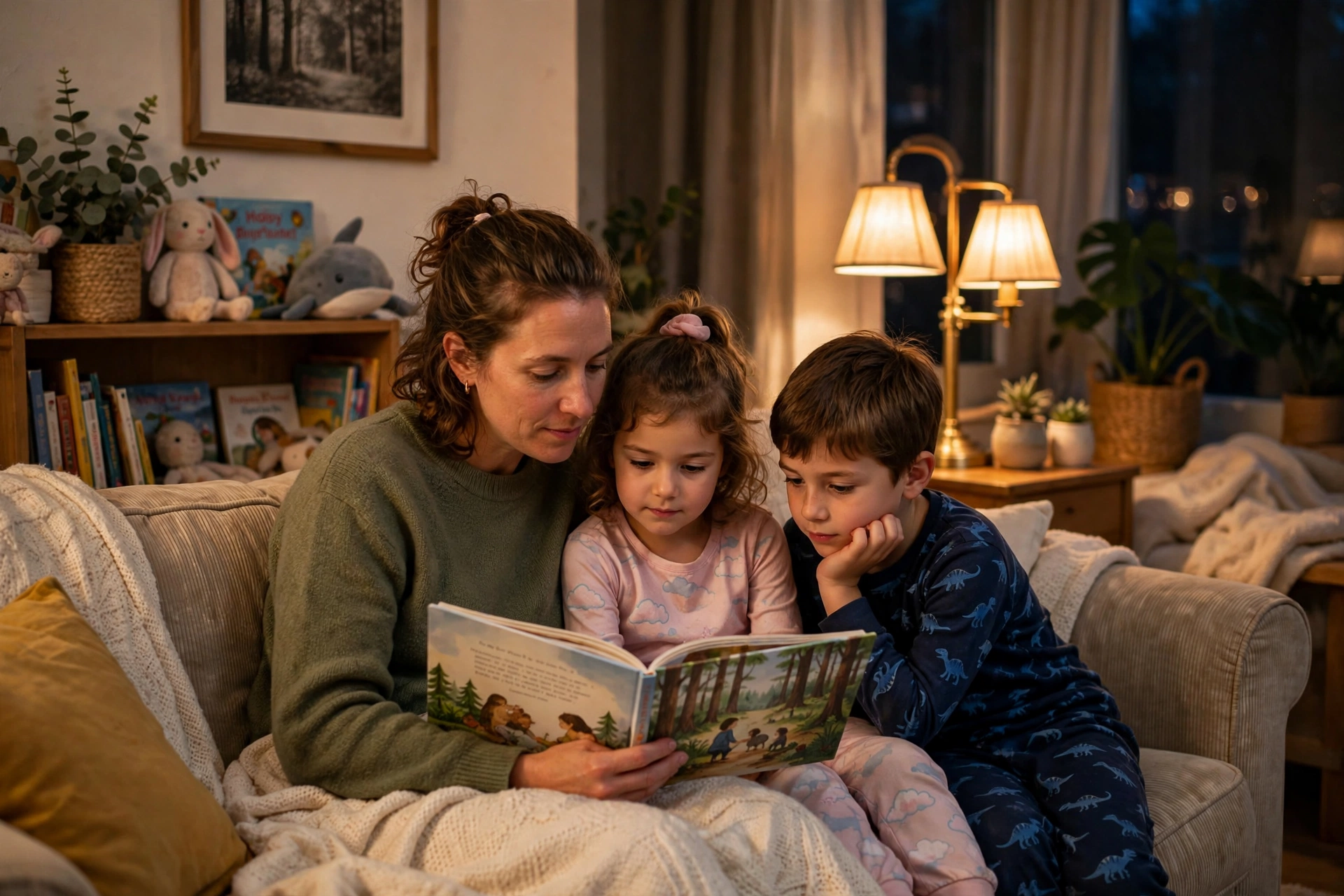
Keep reading together. Shared book reading remains one of the strongest predictors of early literacy. Even 15 minutes of reading aloud daily builds vocabulary, print awareness, and a love of stories that no app replicates.
Make math playful. Early numeracy matters as much as literacy. Short, game-like practice — such as our missing number quiz — keeps young learners engaged while building the number sense tested in those third- and sixth-grade assessments.
FAQ
What did the new screen time study find?
Researchers at Toronto’s Hospital for Sick Children followed thousands of Ontario children and found that more screen time in early childhood was linked to lower standardized reading, writing, and math scores in grades 3 and 6. Each extra daily hour of screen time was associated with roughly 9–10% lower odds of reaching higher achievement levels.
Does screen time cause lower test scores?
The study shows a strong association, not causation. Because it was observational, other factors — family environment, learning differences, unmeasured influences — could contribute to the pattern.
Which types of screen time were most strongly linked to lower scores?
TV and digital media (tablets, streaming) showed the strongest links to lower reading and math performance. Video games had a smaller but still meaningful association, particularly for girls.
Does the study say all screen time is harmful?
No. The study did not measure what children were watching or playing, so it cannot distinguish passive viewing from high-quality educational content. Researchers say content quality and context matter alongside total screen time.
What can parents do with this information?
Set consistent screen limits early, keep screens out of meals and bedtime, prioritize hands-on learning activities like tracing and reading together, and talk to your pediatrician about age-appropriate media habits.
Where can I find free early-learning activities to replace screen time?
Our site offers free printable worksheets, interactive kindergarten quizzes, and two worksheet generators — including personalized name-tracing workbooks and custom sight-word worksheets built from Dolch and Fry word lists.
Source: The Educated Patient reporting on the JAMA Network Open study by Li et al., The Hospital for Sick Children, Toronto.