These free kindergarten sight words worksheets turn memorisation into practice: tracing sheets, flashcards, word searches, bingo boards and read-and-write sentence pages — all printable PDFs, no signup needed. Make your own custom pack in seconds with our free Sight Word Generator, then use the plan below to work through it. New to sight words? Start with our complete sight words for kindergarten list, then come back here for the practice sheets.
What are kindergarten sight words?
Sight words are the common, high-frequency words children learn to recognise instantly, without sounding them out — words like the, said and you. Because they appear in almost every sentence of an early reader book, knowing them by sight is what turns slow, choppy reading into smooth, confident reading.
The best-known collection is the Dolch sight word list, published by Edward Dolch in 1936 and grouped by level: the 40-word pre-primer list is the gentlest starting point, and the 52-word Primer list is the kindergarten-level set. The Common Core standards ask kindergartners to read common high-frequency words by sight without naming a total, and literacy researcher Timothy Shanahan suggests about 20 words by the end of kindergarten as a sensible goal — every school sets its own target, so check the list your child’s school uses.
Your free sight words practice pack
Use our free Sight Word Generator to build a personalised pack: pick the Dolch pre-primer or Primer list (or type your own words), tick the worksheet types below, and download everything as a PDF. Here is what to make — and why each type earns its place.
Sight word tracing worksheets
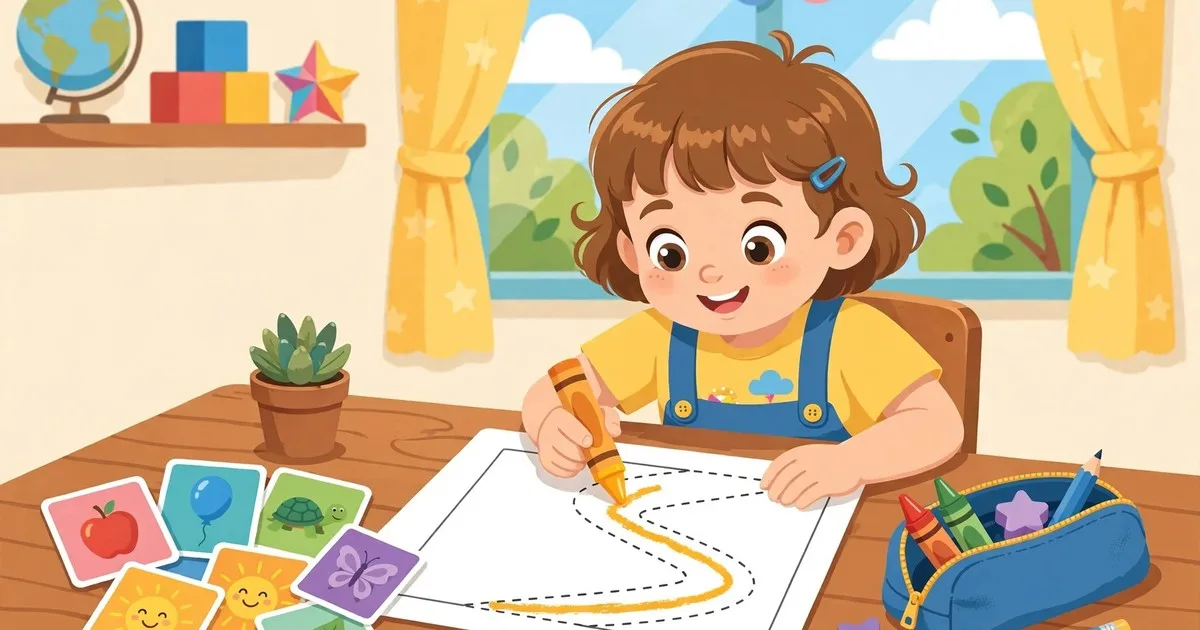
Each sheet shows a sight word in large dotted letters with handwriting lines underneath. Children trace the word, then write it independently — the physical act of forming the letters builds the muscle memory that locks the word in. If your child is still working on letter shapes first, warm up with our letter tracing worksheets.
Sight word flashcards
Print, cut and play. Each card shows one sight word in a clean, large font — ideal for flashcard races, memory match and “swat the word” games. Print on cardstock for durability. Flashcards are the fastest way to build rapid recognition: show the card, say the word, and move on.
Sight word search puzzles
Word searches hide sight words in letter grids (with an answer key included). They force children to scan letter-by-letter, which strengthens visual word recognition far better than passive re-reading — a child hunting for said has to look at every letter of it.
Sight word bingo boards
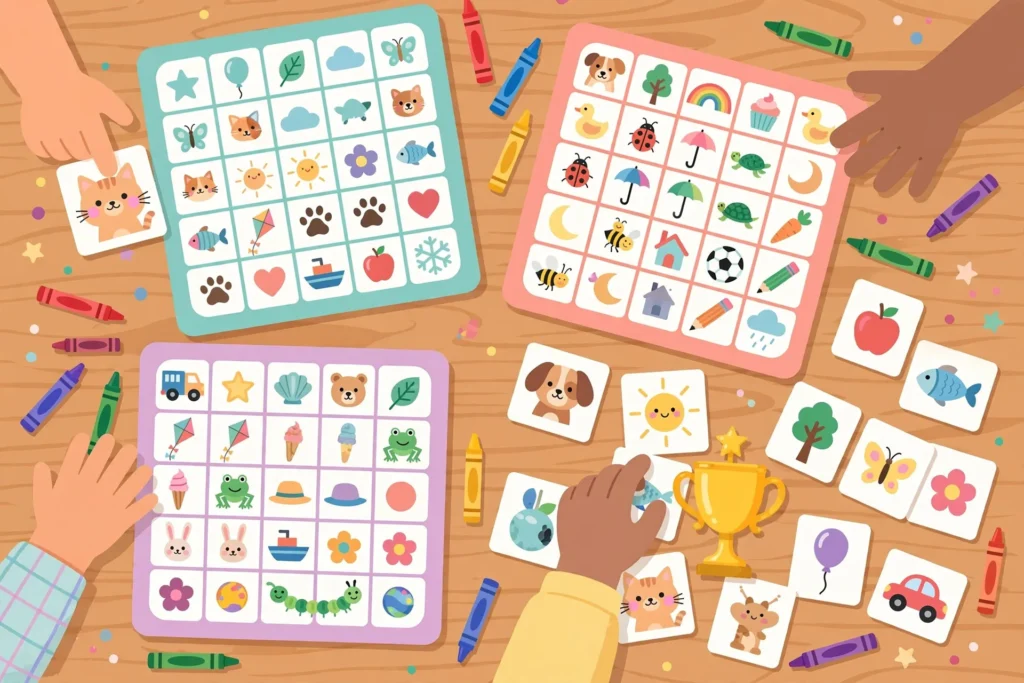
A classroom favourite: the caller reads a word aloud, players cover the match on their board. Our generator can make up to 30 unique boards, so a whole class can play at once. Play to five in a row — then swap boards and go again.
Read-and-write sentence pages
Once a few words are known, meet them in real reading. These pages pair each sight word with a short sentence — I can jump, We go to school — so children see the word doing its job inside language, not just sitting on a flashcard.
Why this kind of practice works
Reading research keeps landing on the same few principles. Short, repeated exposures beat long, rare ones. Using more than one sense — saying the word, tracing it with a finger, writing it — anchors it more firmly than looking alone. And games work because they disguise repetition: a child who groans at a worksheet will happily play three more rounds of bingo with the same ten words.
One more principle matters: sight word practice works alongside phonics, not instead of it. Reading researcher Timothy Shanahan points out that when children are taught to decode well, they eventually recognise almost all words by sight. Keep teaching letter sounds while you practise sight words, and let children meet the words in stories more than in drills.
A simple two-week plan for parents and teachers
Week 1 — Trace and read. Pick 10 words and generate tracing sheets plus read-and-write sentence pages. Five minutes a day: trace, say the word aloud, use it in a sentence.
Week 2 — Play and test. Switch to flashcards and bingo for the same 10 words, then test with the checklist and class tracker from the generator. Add the next 10 words only when the first set is solid.
This trace → play → test loop is the fastest path from “I have seen this word” to “I know this word cold.”
More free practice on Book and Pencil
Words stick better when they feel personal. Our free name tracing generator turns any child’s name into a 10-page tracing workbook — perfect for the very first “sight word” most children ever learn. Pair it with the letter tracing worksheets for letter formation, then bring everything together with the sight word practice pack above.
Frequently asked questions
How many sight words are covered by these worksheets?
All 40 Dolch pre-primer words, plus the 52-word Primer list if you want to go further — just tick the list you need in the generator. See the full lists here.
How many sight words should my kindergartener know?
There is no single required number. A sensible goal is about 20 words by the end of kindergarten, with the 40-word pre-primer list as the standard set most schools draw from. Short, playful practice matters more than any target number.
Can I use these worksheets for homeschool?
Absolutely. The pack is designed for both classrooms and homeschool — print what you need, skip what you do not.
Do the word searches include answer keys?
Yes — every puzzle ships with its own answer key, and the bingo boards come with caller cards.
What is the difference between this page and your sight word list page?
The sight word list page is the complete guide, word lists and the worksheet generator itself; this page is the hands-on practice guide — which worksheet types to make and how to use them.