
| Kindergarten Worksheets |
|---|
| Learning Letters |
| Tracing Letters |
| Tracing Numbers |
Free Tracing Letters Worksheet – A to Z Printable Collection
If you’re helping a child get started with writing, this tracing letters worksheet set might be just what you need. Each page is made for young kids learning their letters — from big bold capitals to smaller lowercase ones, every letter gets its own space to shine.
The set includes worksheets for all 26 letters of the alphabet. No fancy tools or prep needed. Just print and hand it to your child — simple as that.
Tracing Letters A to Z – Choose a Worksheet
Click on any letter below to Download Free Worksheet
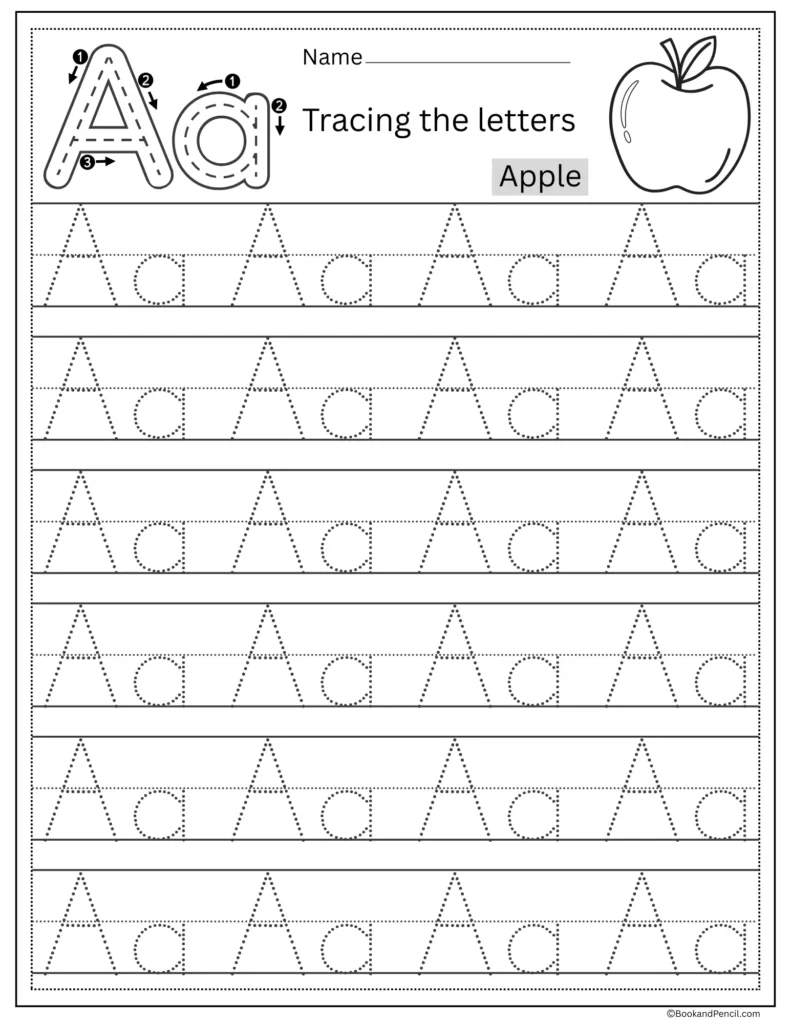
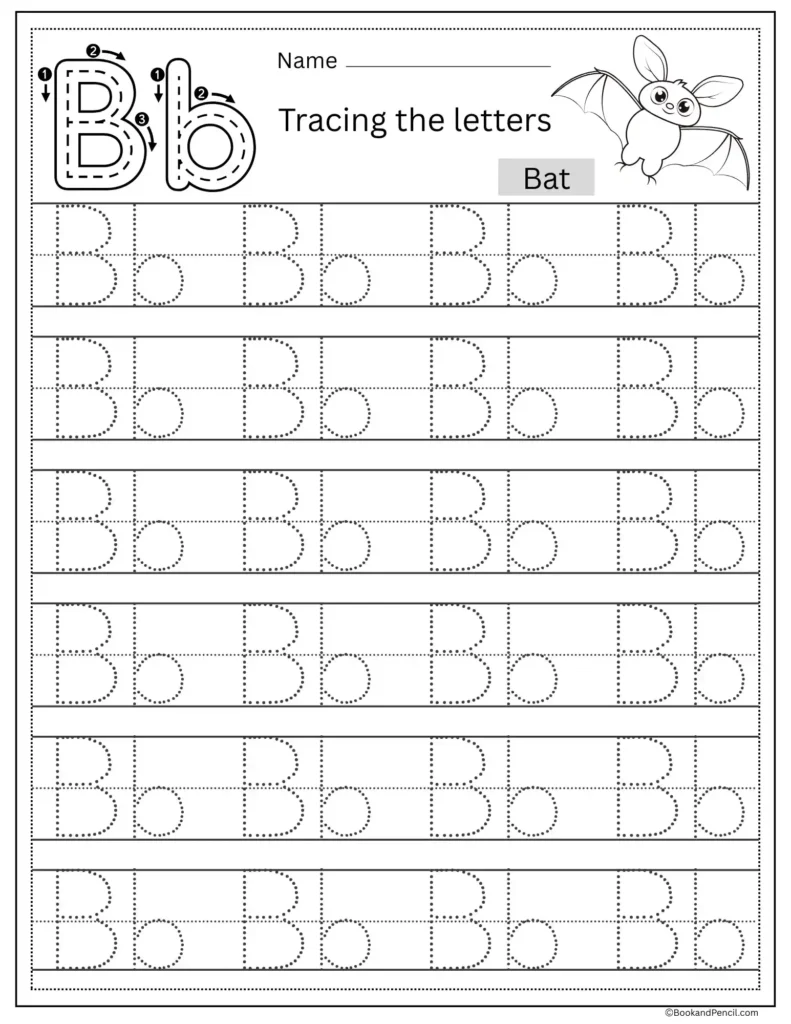
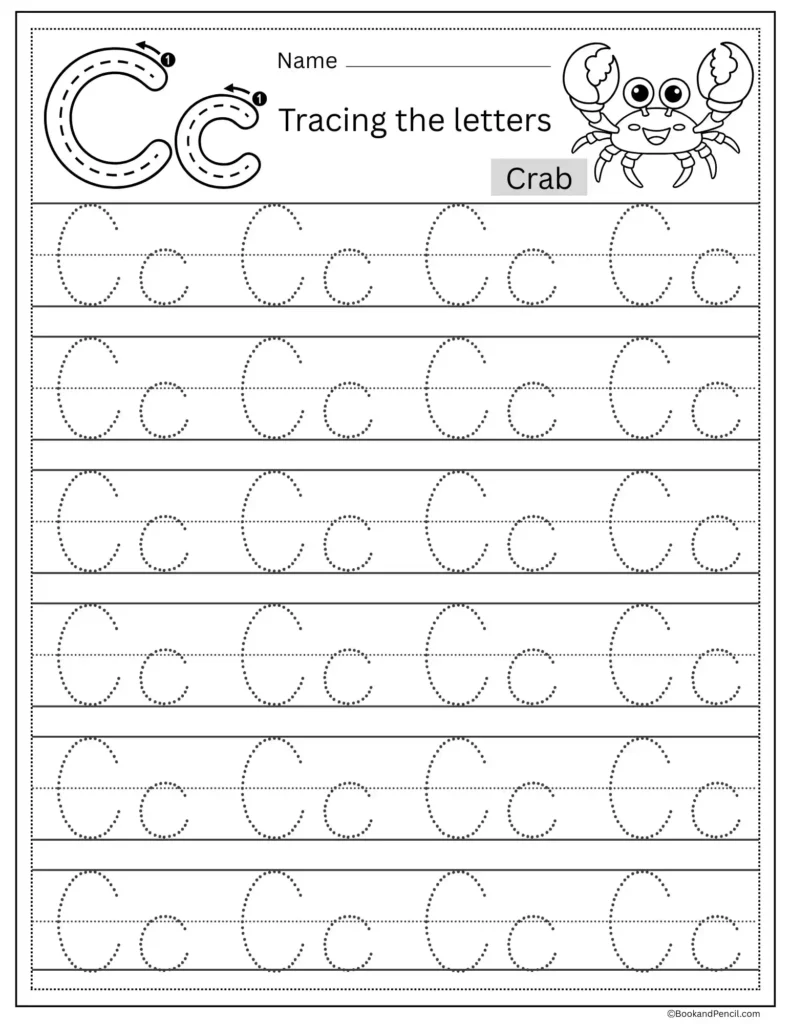
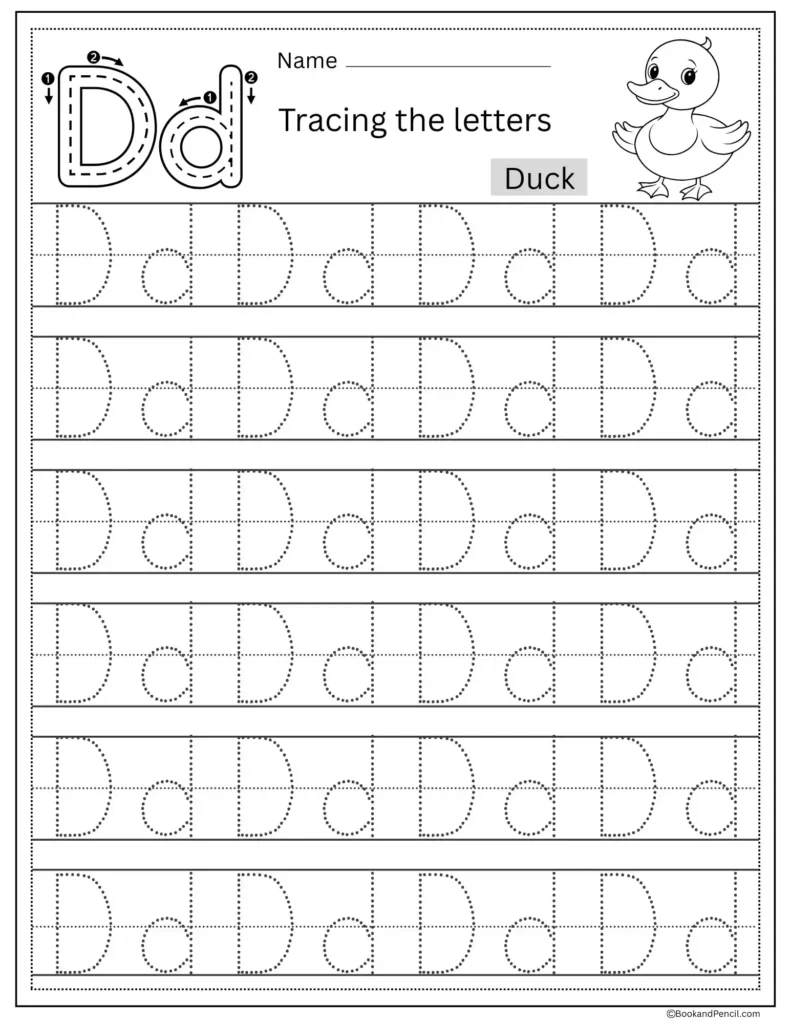
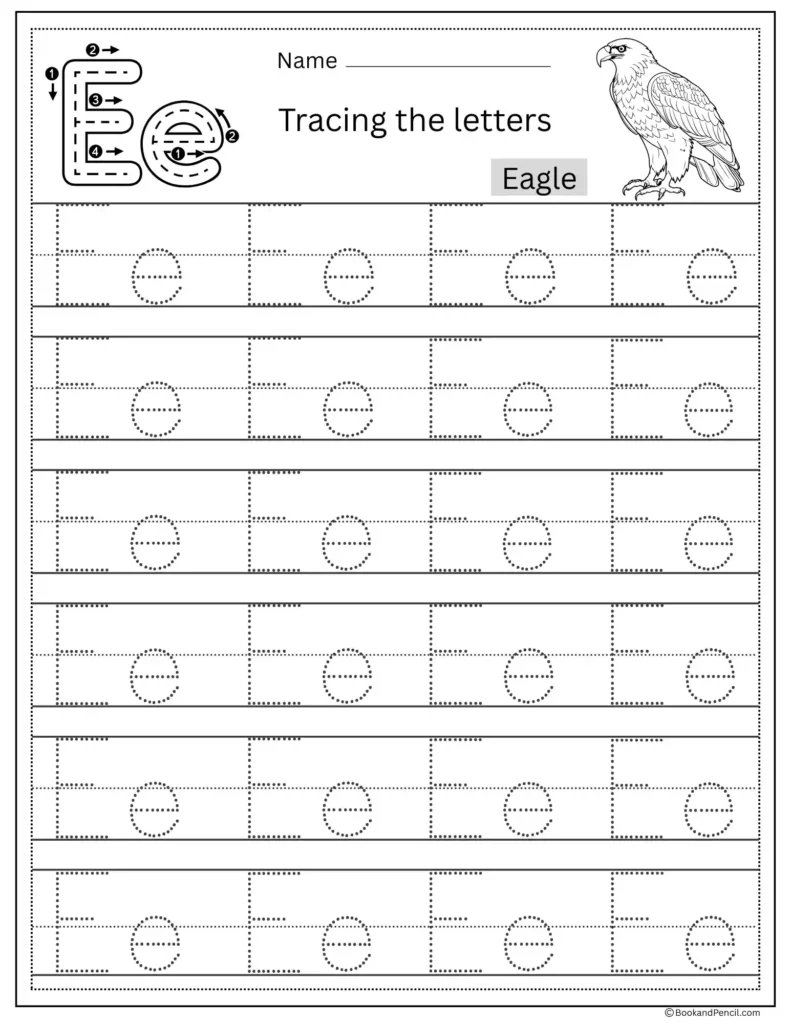
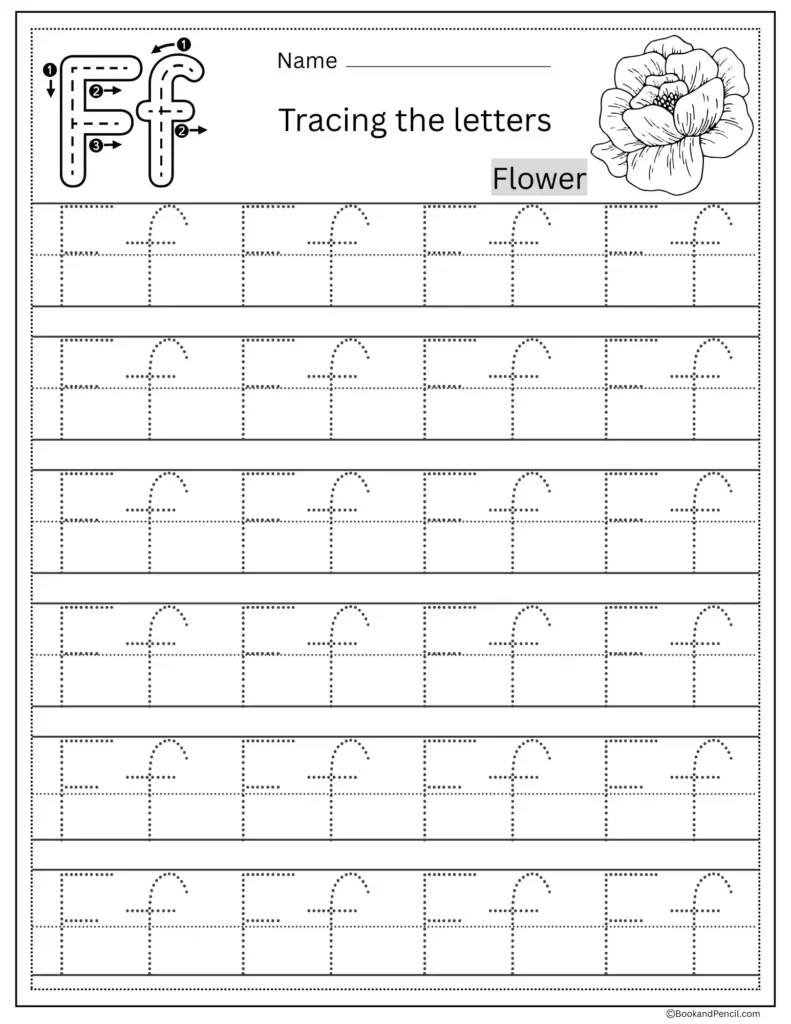
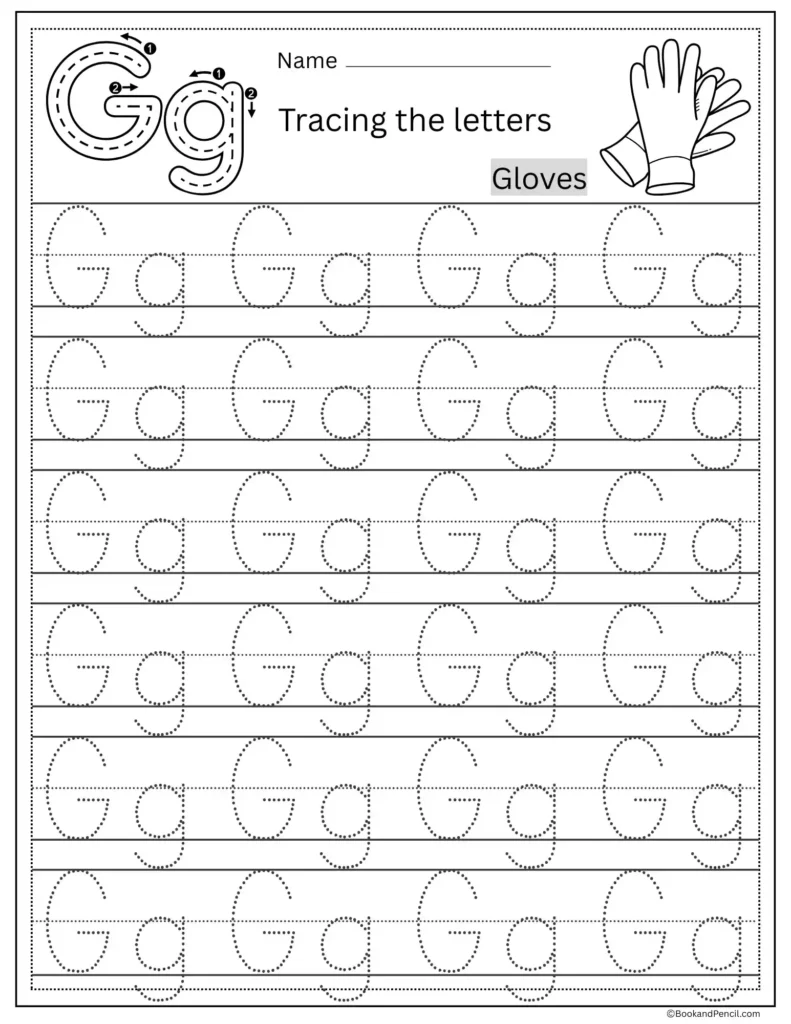
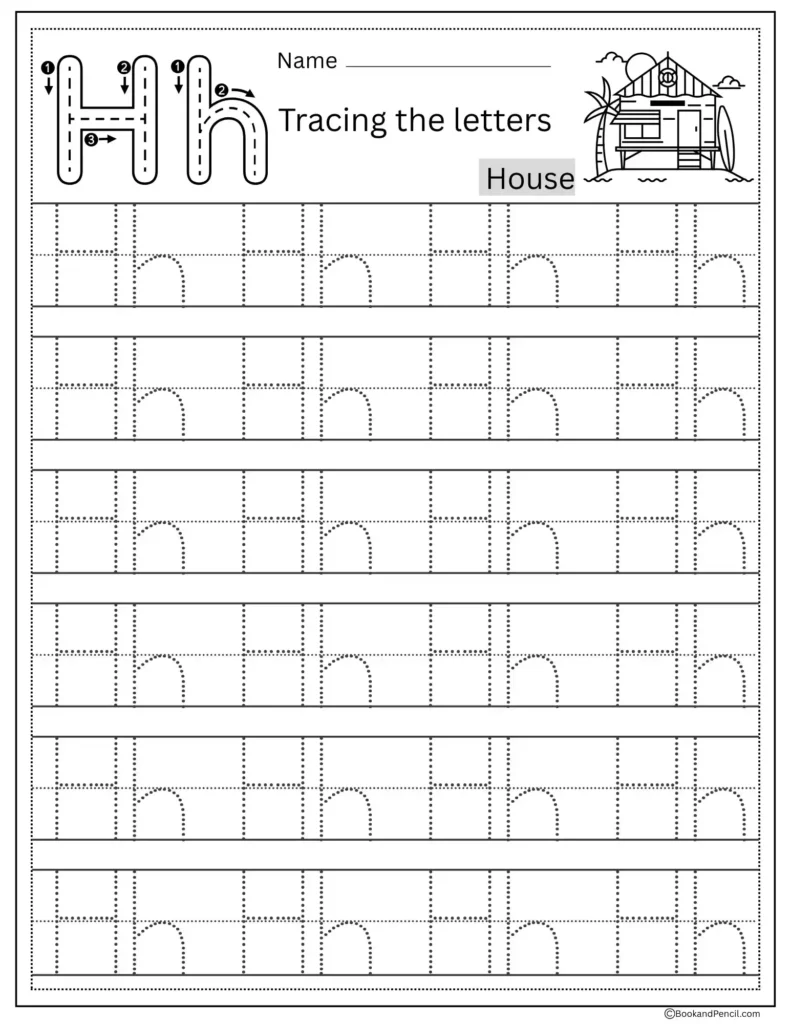
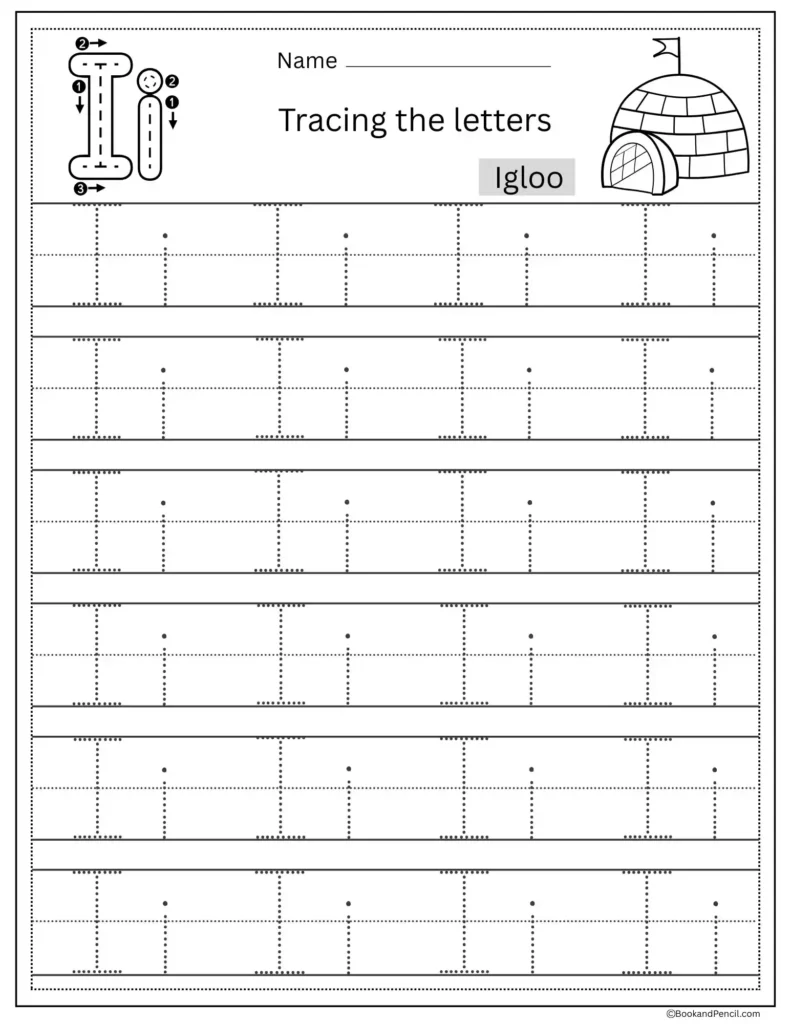
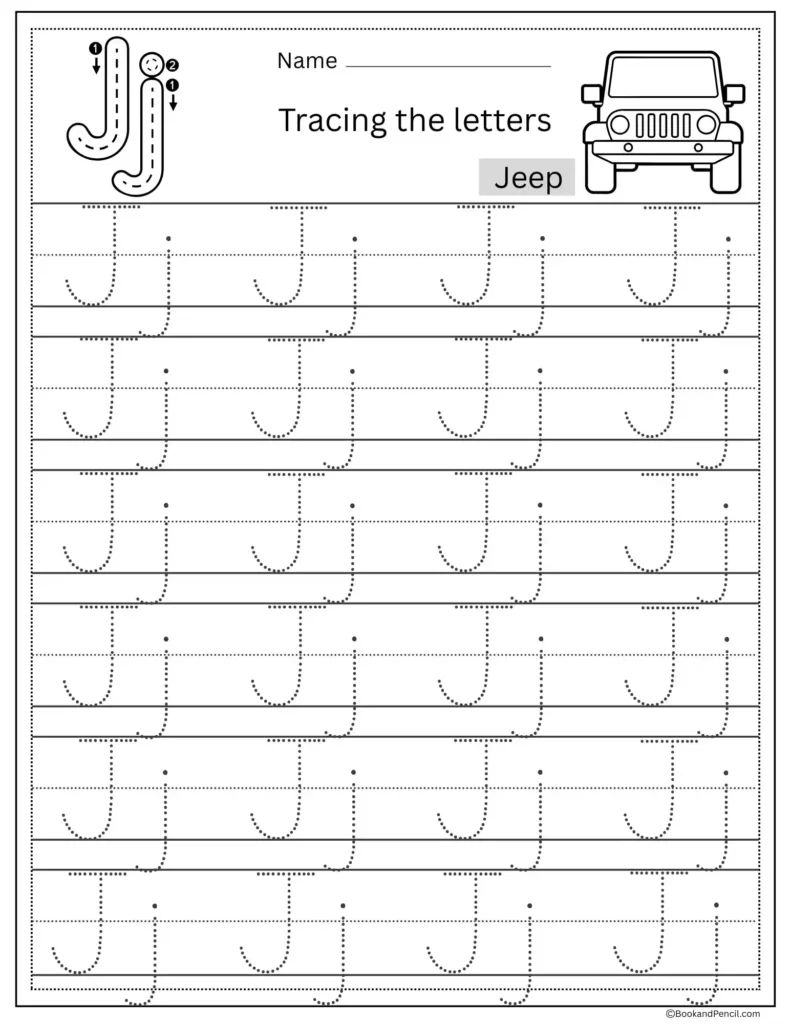
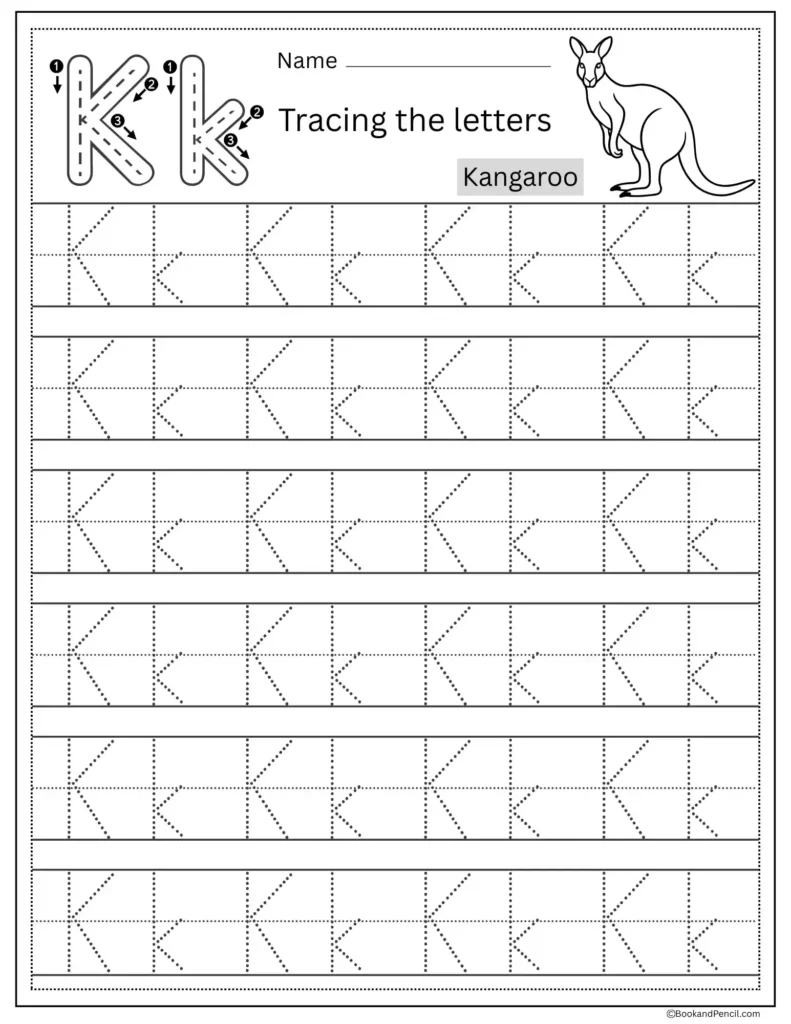
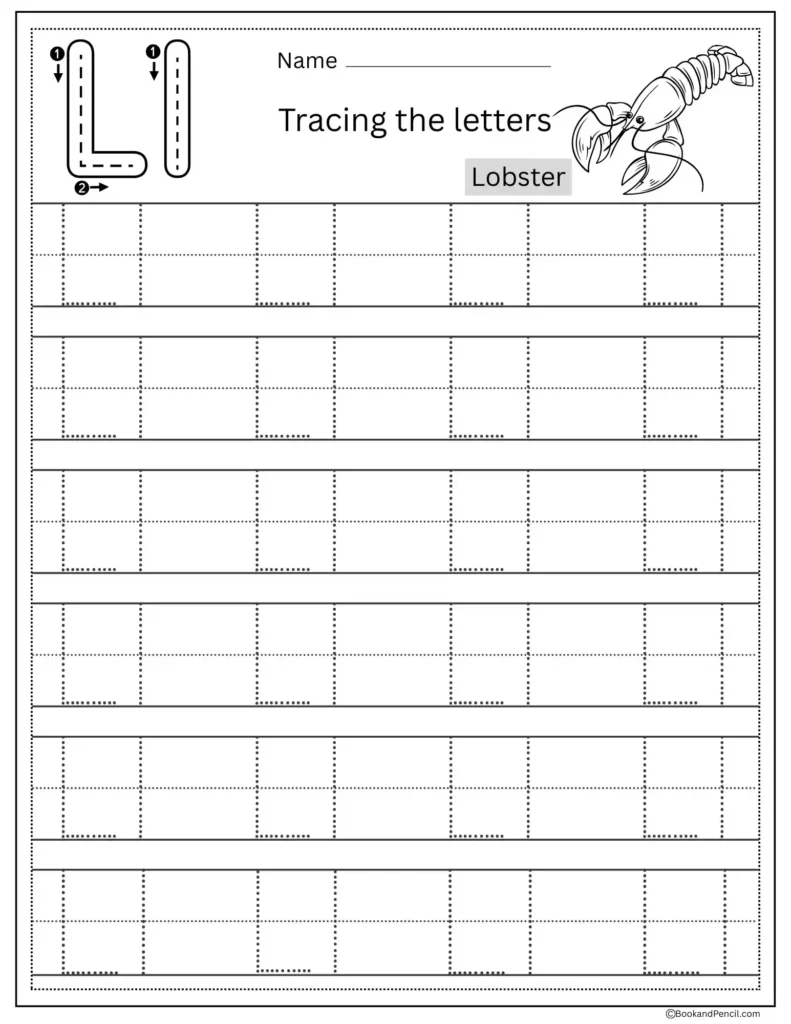
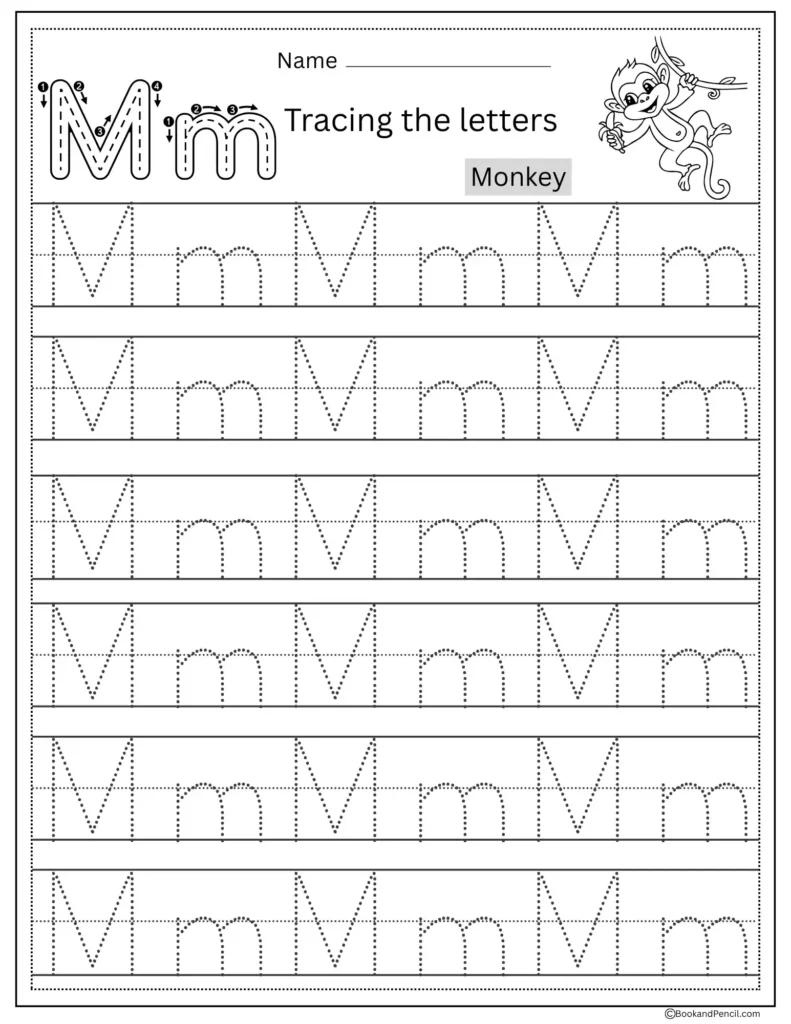
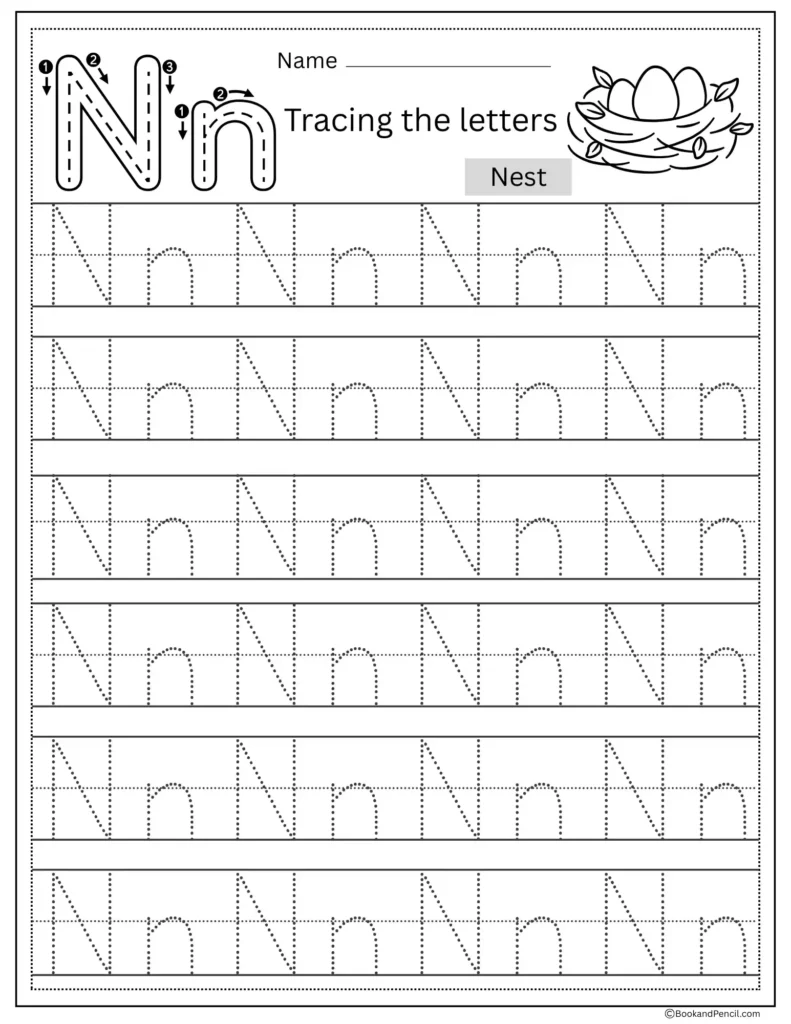
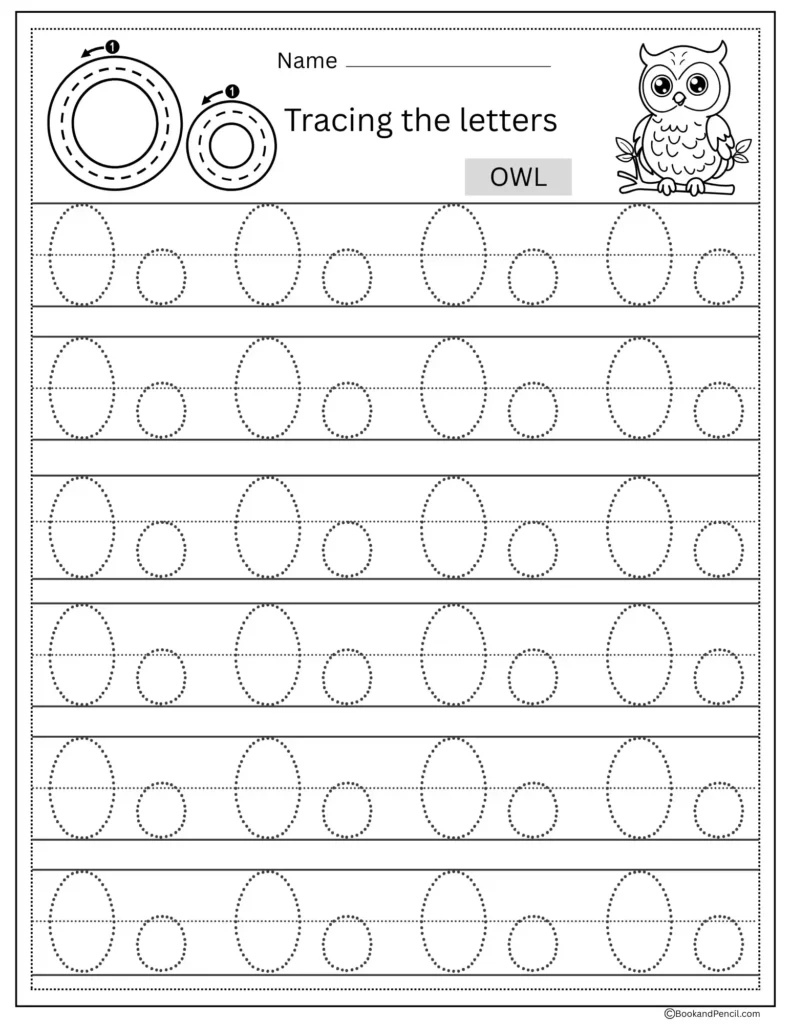
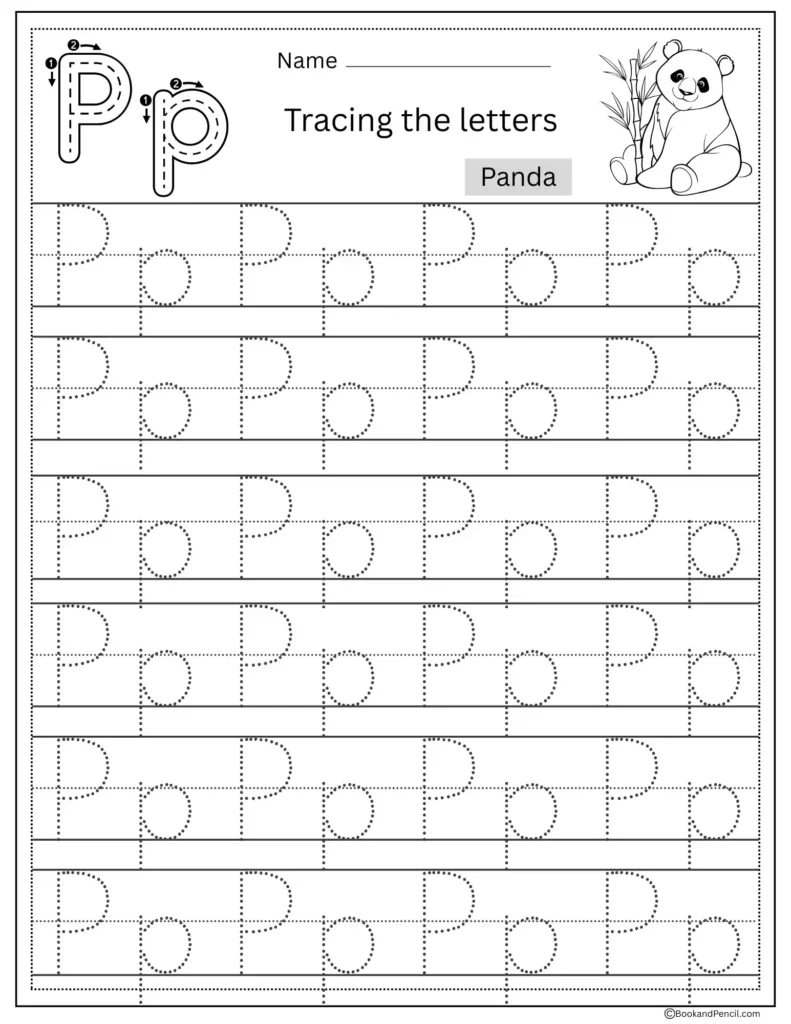
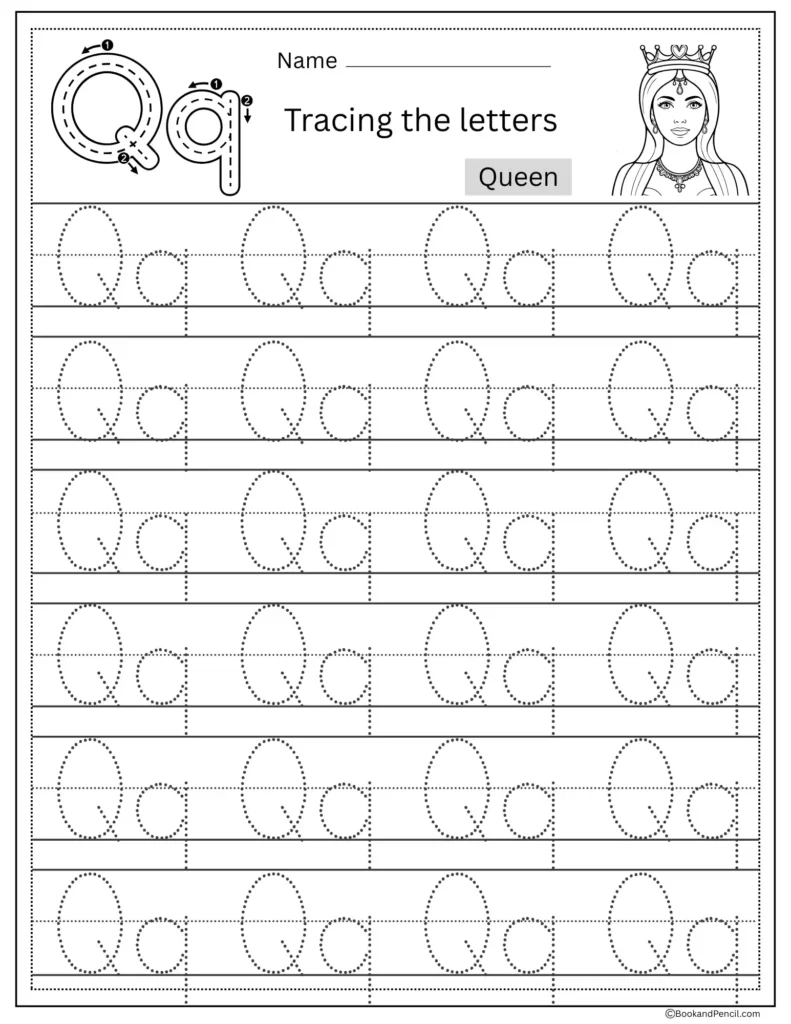
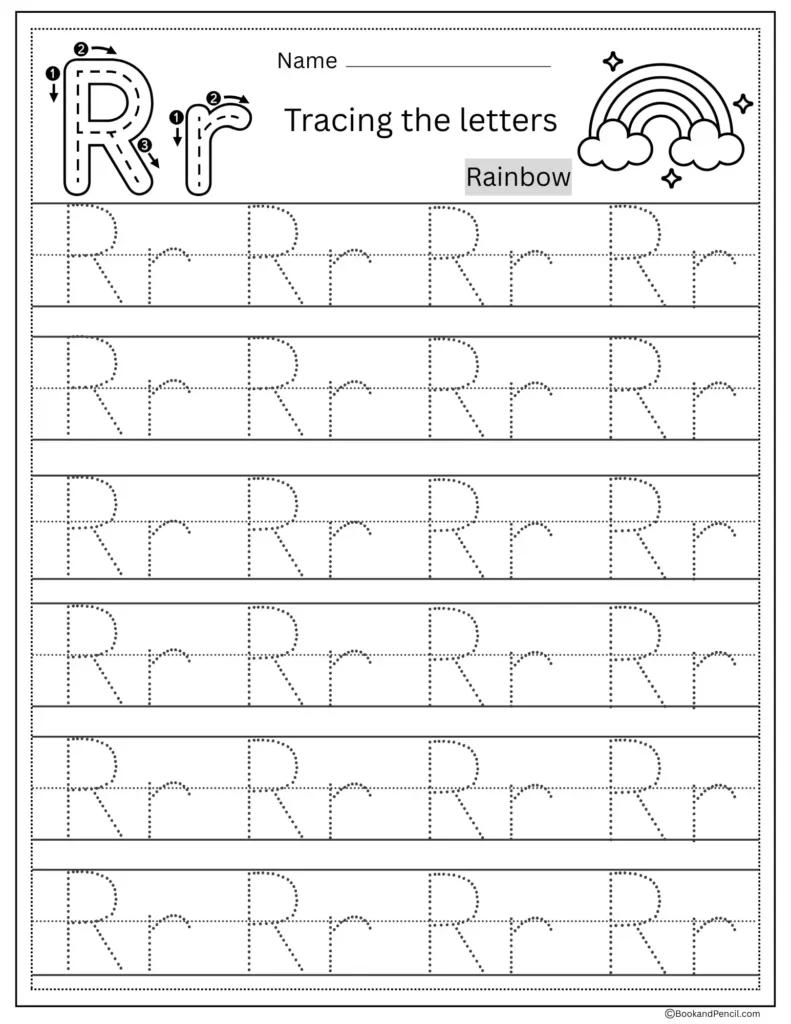
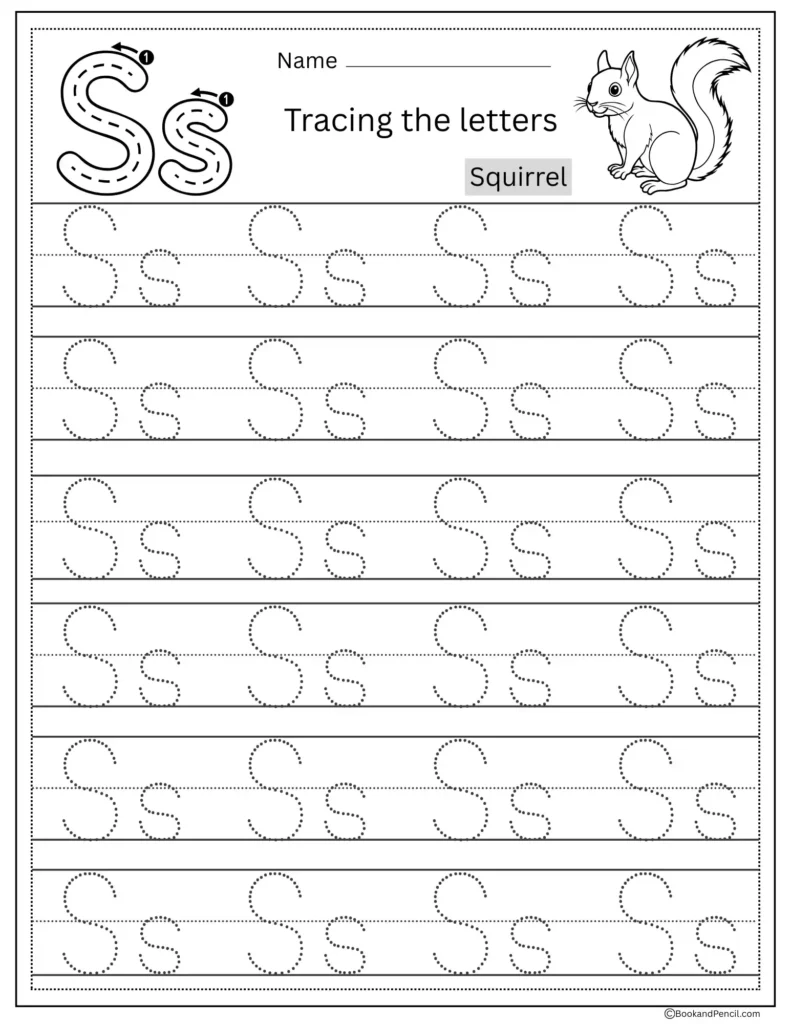
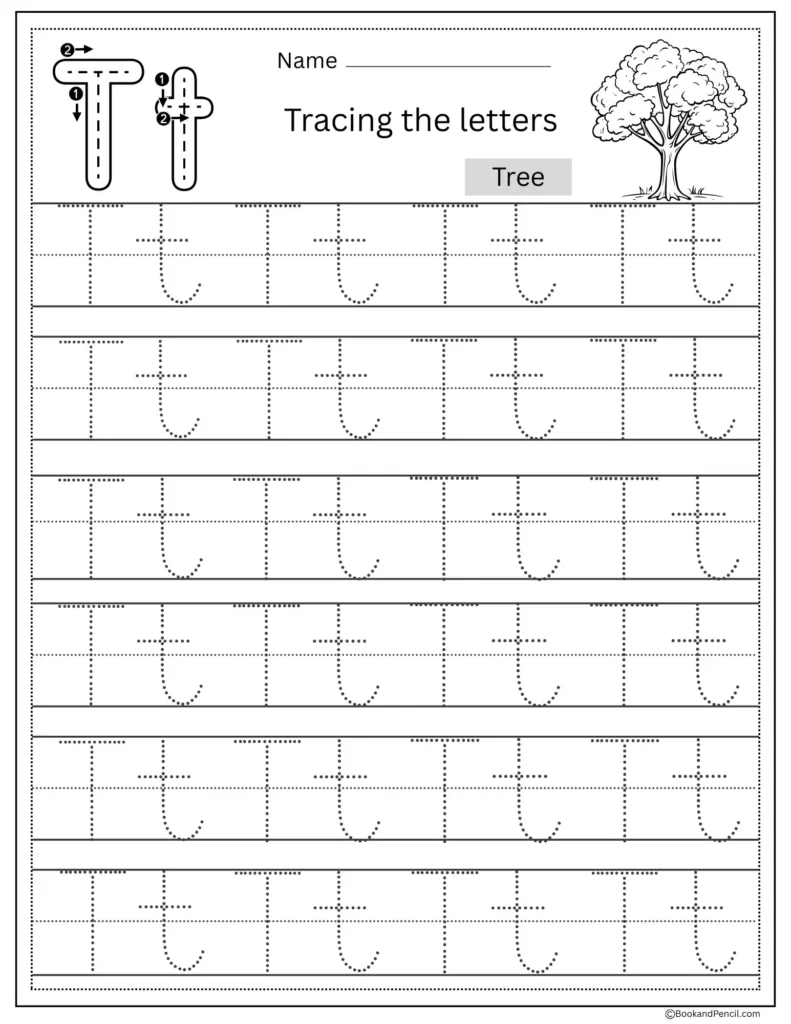
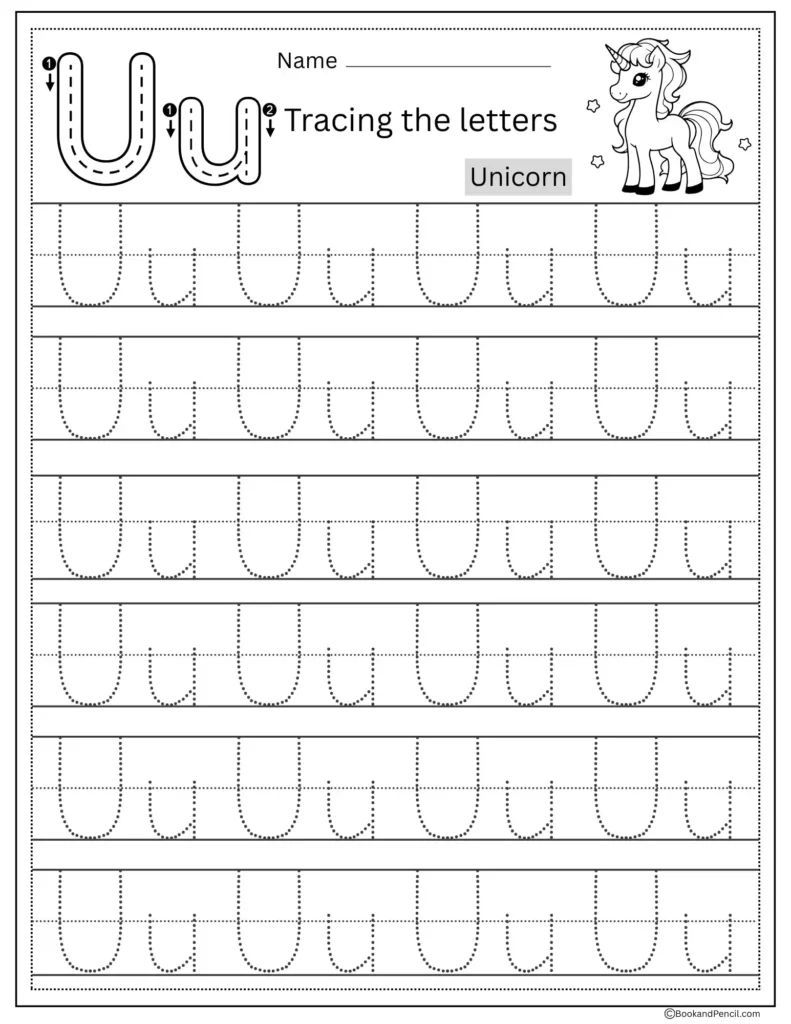
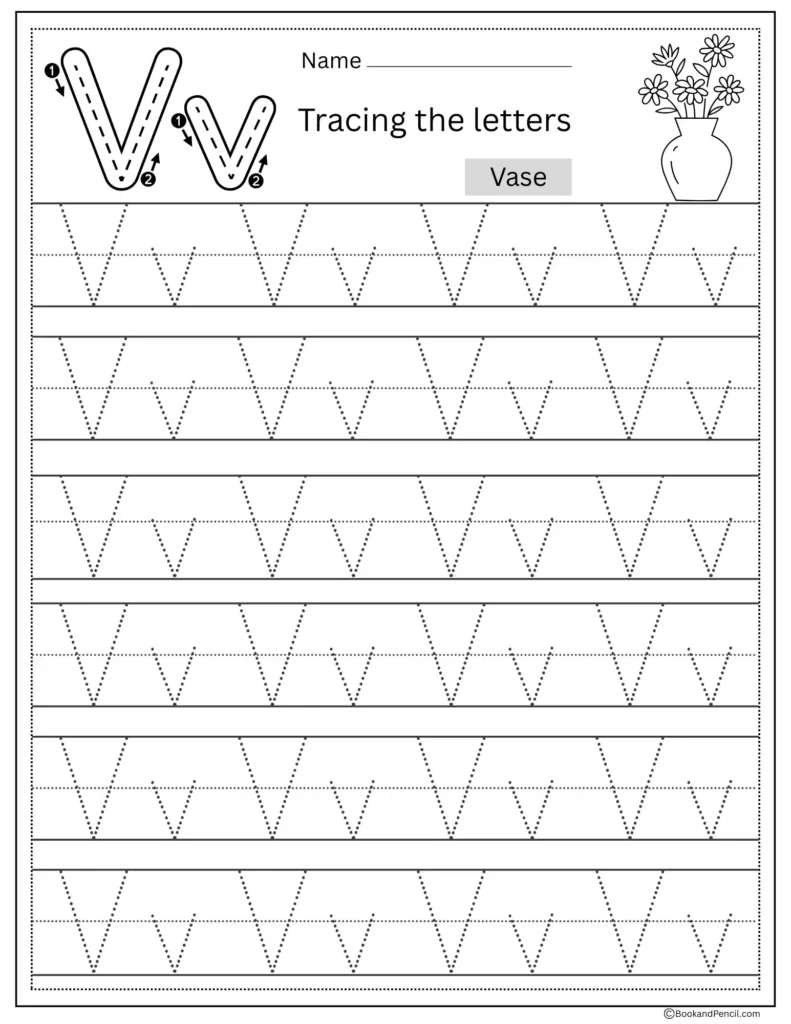
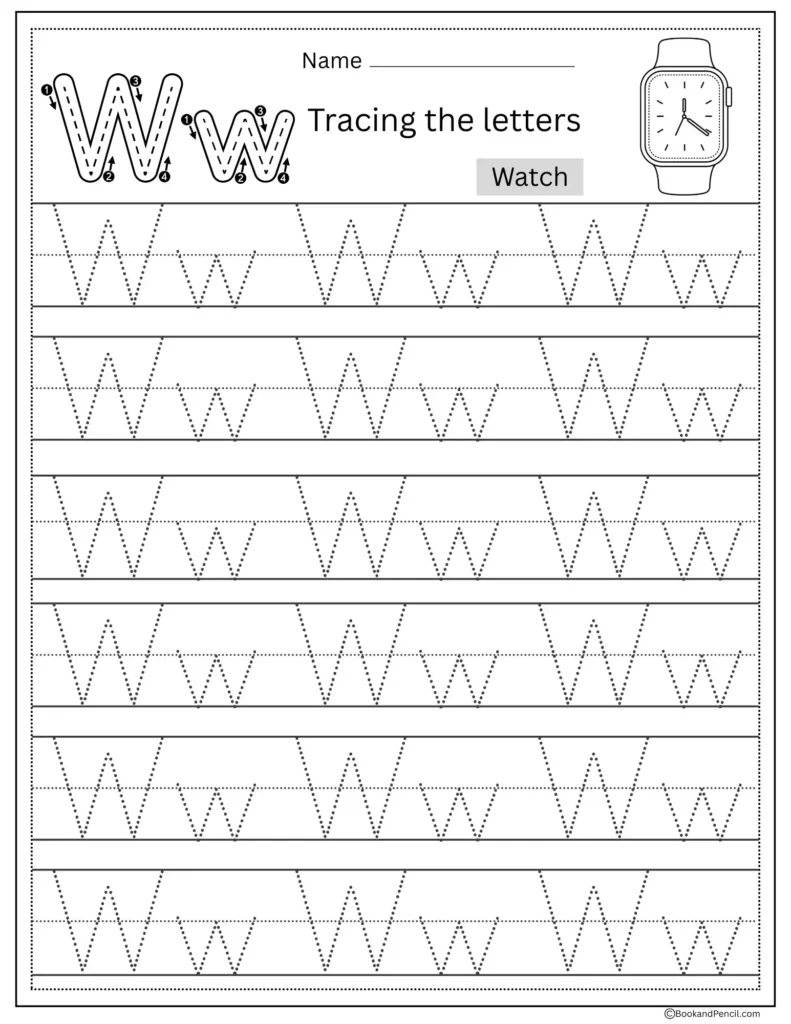
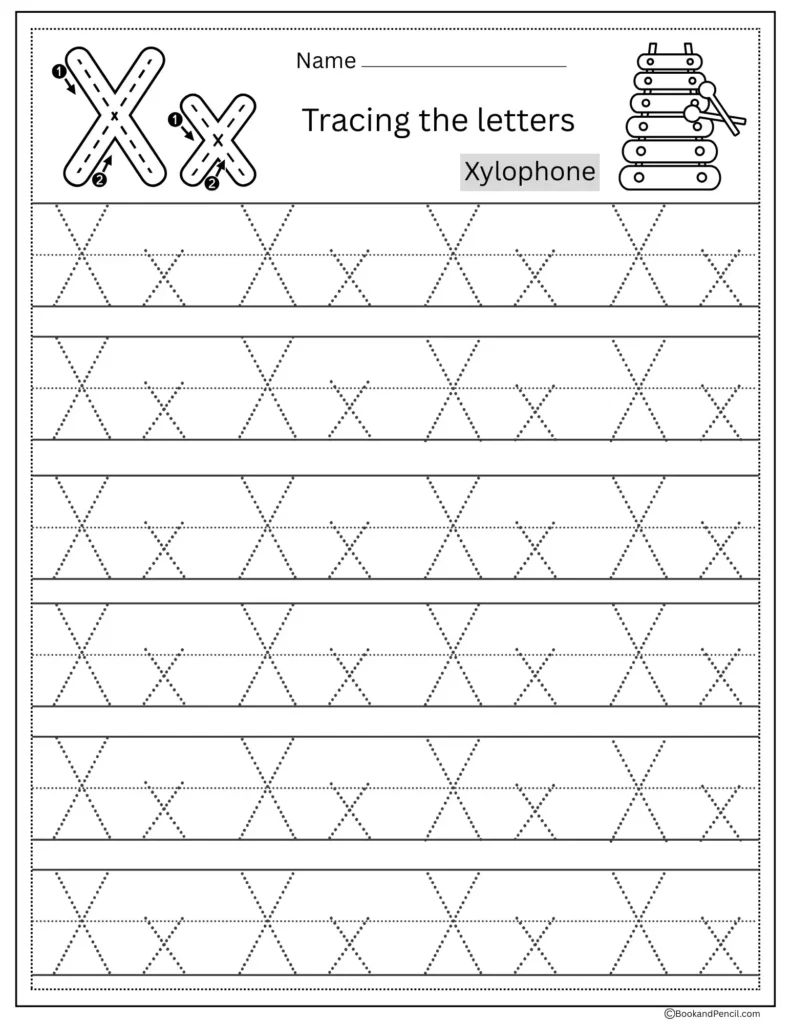
Love This Worksheet?
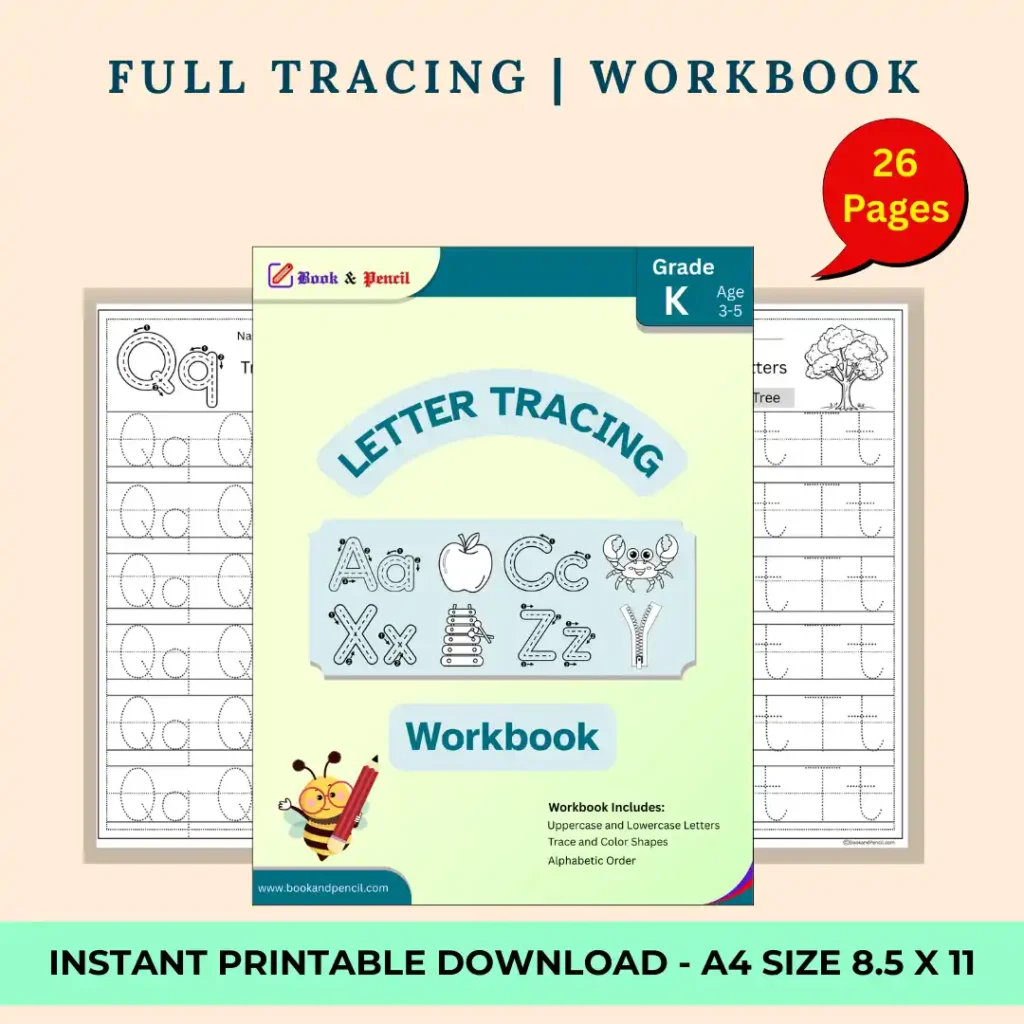
✔ A–Z Uppercase and Lowercase Practice
✔ Fun Handwriting Activities
✔ Perfect for Preschool and Kindergarten
✔ Instant PDF Download
Regular Price: $3.99 → Today: $1.99
What You’ll Find Inside
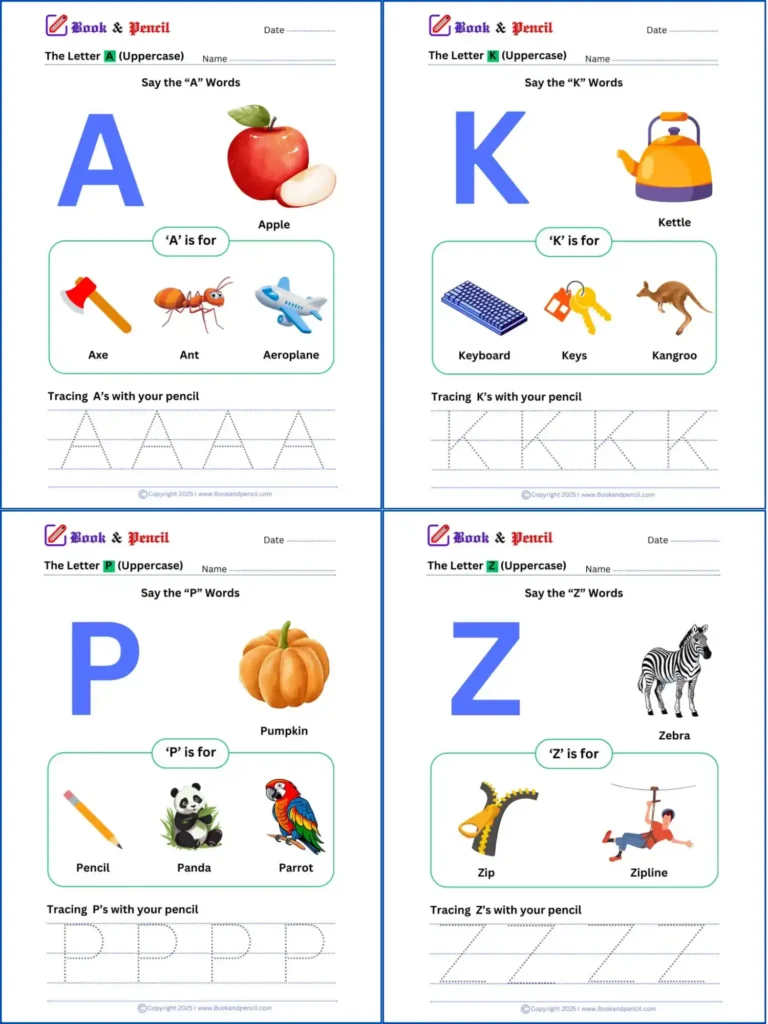
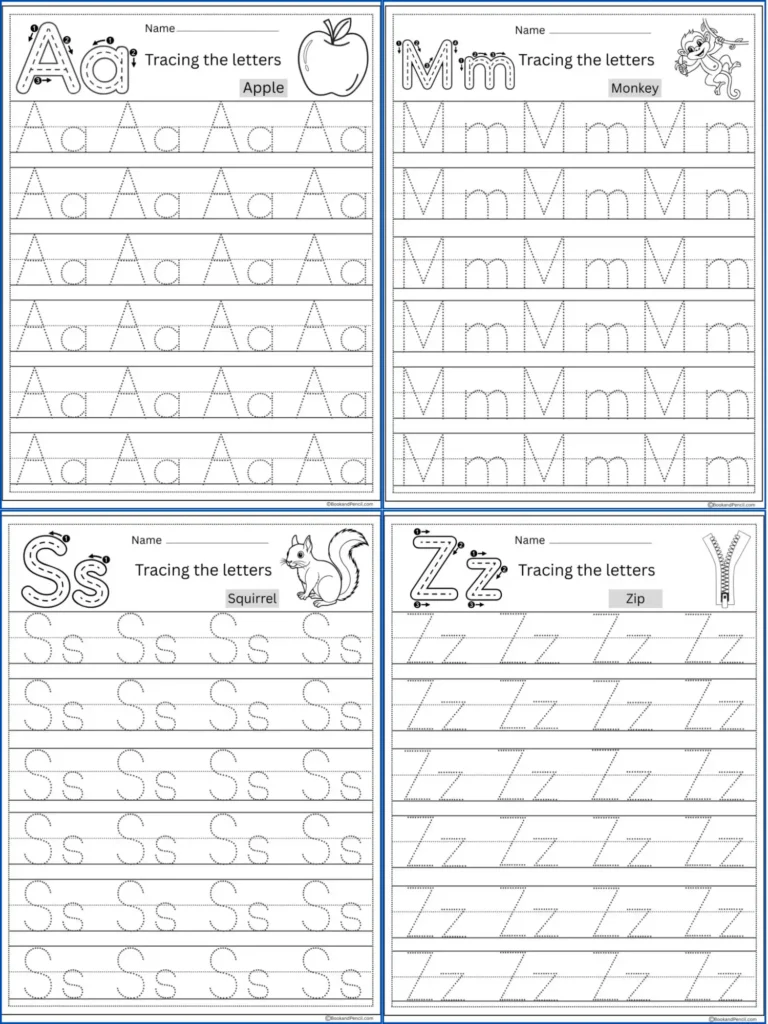
Each preschool tracing worksheet includes:
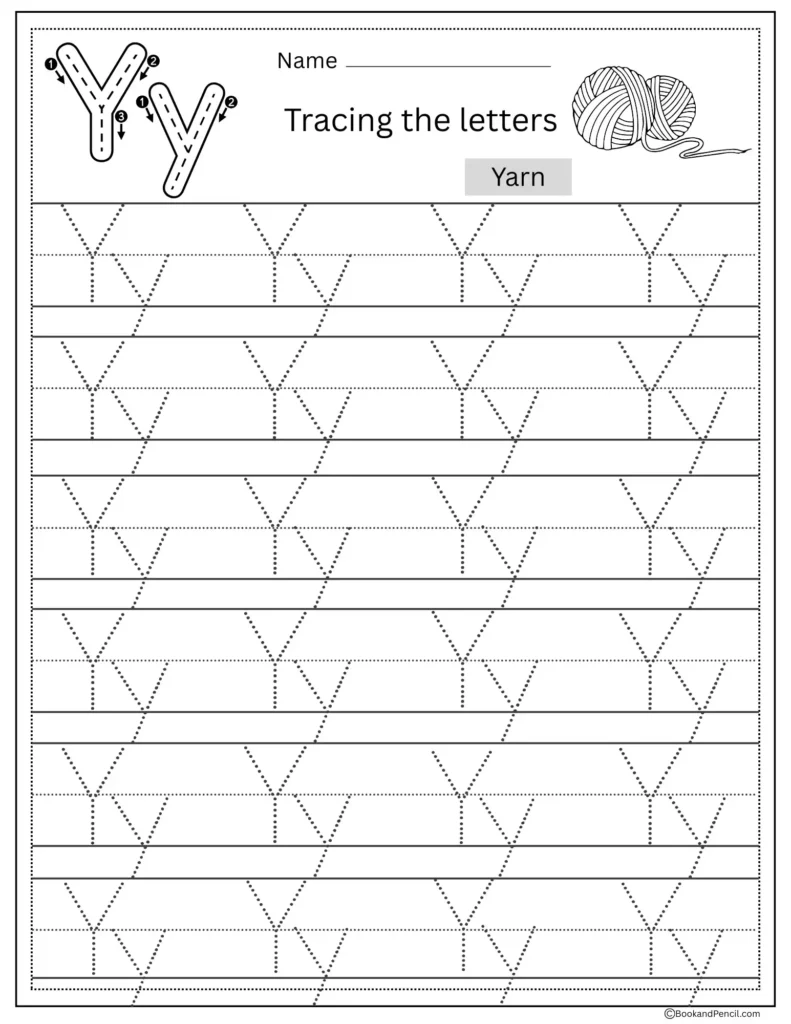
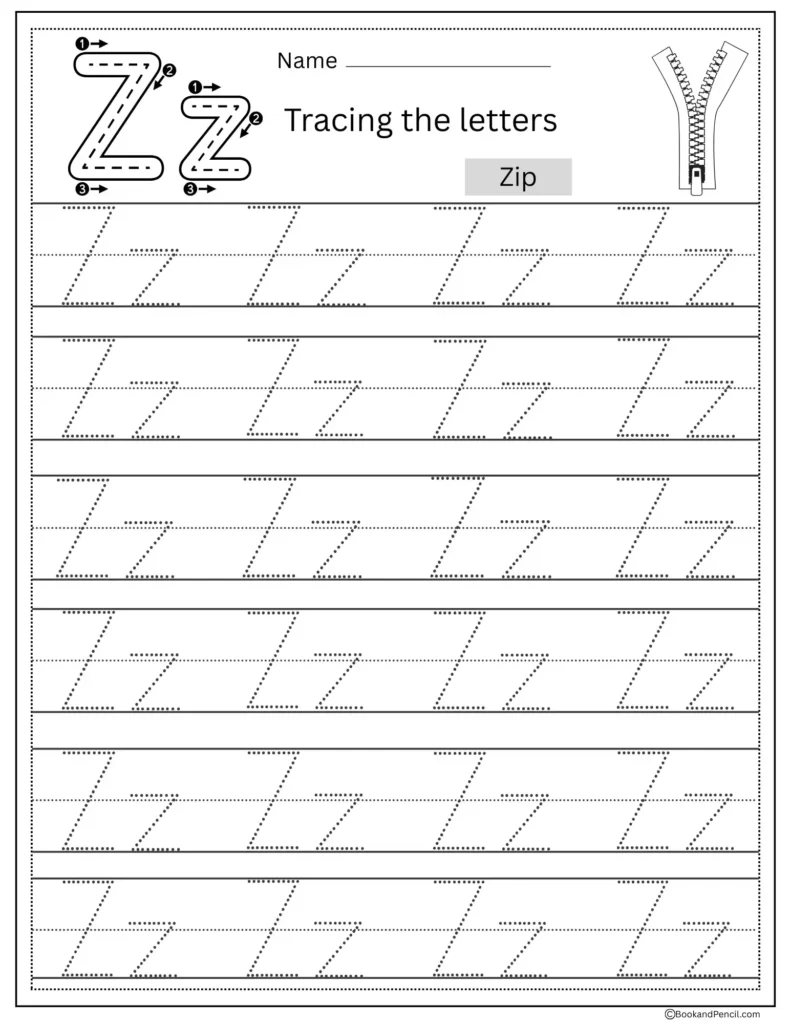
Tracing practice for both uppercase and lowercase letters
Dotted lines and number guides to show how each letter is formed
A fun picture that matches the letter — like A is for Apple, Z is for Zip
Plenty of space for kids to trace again and again
These alphabet tracing worksheets are meant for real use — whether that’s at home, in a classroom, or during a quiet moment at the kitchen table.
Why Parents and Teachers Like These
These letter tracing printables aren’t just about handwriting. They help with:
Learning the alphabet in order
Recognizing the shape and sound of each letter
Building hand strength and pencil control
Giving kids a little confidence boost as they learn
You can even laminate them to make them reusable, or use them alongside songs and phonics games. It’s a small step, but a great start.
And yes — they’re all free alphabet tracing pages. You’ll find every letter organized under easy-to-use tabs, so there’s no need to scroll through a long list.
Why Letter Tracing Matters
Learning to trace letters is one of the first steps toward independent handwriting. Before children can write words and sentences confidently, they need to build familiarity with letter shapes, pencil movement, and directional control. That’s why tracing activities are commonly used in preschool and kindergarten classrooms as part of early literacy development.
These tracing letters worksheets help children practice both uppercase and lowercase letter formation in a structured way. Repeating the same strokes gradually improves muscle memory, making it easier for young learners to recognize and write letters on their own later.
Letter tracing practice also supports fine motor development. As children trace dotted lines, they strengthen hand muscles, improve pencil grip, and develop better hand-eye coordination. These small movements are important not only for handwriting, but also for other classroom tasks such as coloring, cutting, and drawing.
Another benefit of alphabet tracing worksheets is letter recognition. Seeing and tracing each letter repeatedly helps children connect the visual shape of the letter with its sound. Many preschool learners benefit from practicing one letter at a time before moving through the full alphabet sequence from A to Z.
Consistent short practice sessions often work better than long handwriting drills. Even spending a few minutes each day with a preschool tracing worksheet can help children become more comfortable with pencil control and early writing skills over time.
Uppercase Letter Tracing Worksheets
Uppercase letter tracing worksheets are often the best starting point for preschool and kindergarten learners. Capital letters usually have larger shapes and simpler stroke patterns, making them easier for young children to recognize and trace correctly.
Many teachers introduce uppercase letters before lowercase letters because children frequently see capital letters in books, classroom displays, and their own names. Practicing uppercase letter formation helps build confidence while developing early handwriting skills.
These free uppercase letter tracing worksheets provide guided practice for every letter from A to Z. Children can follow the dotted lines, learn correct letter formation, and gradually improve pencil control through repetition. Regular tracing practice helps young learners become familiar with letter shapes before moving on to independent writing.
Lowercase Letter Tracing Worksheets
Once children become comfortable tracing capital letters, they can begin practicing lowercase letter formation. Lowercase letters appear more frequently in books, worksheets, and everyday reading materials, making them an important part of early literacy development.
These lowercase letter tracing worksheets help children recognize the differences between similar letters such as b and d, p and q, or m and n. Repeated tracing activities encourage accurate letter formation while strengthening fine motor skills and hand-eye coordination.
Using both uppercase and lowercase tracing worksheets together can improve alphabet recognition and help children transition smoothly from tracing practice to independent handwriting.
How to Use These Tracing Worksheets Effectively
These free alphabet tracing pages are designed to be flexible for both home and classroom use. Parents can print individual letters for focused practice, while teachers can use multiple worksheets as part of daily handwriting or phonics activities.
For beginners, it usually helps to start with uppercase letters because their shapes are often simpler and easier to recognize. Once children become comfortable tracing large capital letters, they can gradually move to lowercase letter practice and independent writing.
Many children benefit from verbal guidance while tracing. Encouraging them to describe the strokes out loud — such as “start at the top” or “go down and around” — can improve directional awareness and letter formation accuracy.
These letter tracing printables can also be reused in different ways. Some parents laminate worksheets and use dry-erase markers for repeated practice, while teachers often pair tracing activities with alphabet songs, phonics lessons, or picture recognition exercises.
Young learners do not need to complete the entire alphabet at once. Focusing on a few letters at a time can reduce frustration and help children build confidence gradually. Regular short sessions using alphabet tracing worksheets are usually more effective than trying to practice too many letters in one sitting.
For best results, encourage children to sit comfortably, hold the pencil with a relaxed grip, and trace slowly rather than rushing through the page. Developing accurate letter formation early can make handwriting practice much easier as children progress into kindergarten and early elementary learning.
Which Letters Should Children Learn First?
Parents often wonder whether children should learn the alphabet in order or begin with specific letters first. While there is no single correct approach, many early childhood educators recommend starting with letters that are easier to form using simple straight lines.
Letters such as L, I, T, H, E, and F are often easier for beginners because they involve fewer curved strokes. Learning these letters first can help children experience early success and build confidence before moving on to more complex letters like B, G, Q, and S.
Another effective strategy is teaching letters that are meaningful to the child, such as the first letter of their name. This personal connection can increase motivation and make letter tracing activities more engaging.
Whether children learn letters alphabetically or through a developmental sequence, consistent practice with printable tracing worksheets can strengthen letter recognition, handwriting readiness, and early reading skills over time.
Stroke Order and Letter Formation Tips
Learning correct stroke order is an important part of handwriting development. Following the proper sequence of strokes helps children develop efficient writing habits that become automatic with practice.
When using these printable letter tracing worksheets, encourage children to start each letter at the correct point and follow the numbered guides when available. Moving slowly and accurately is usually more beneficial than tracing quickly.
Helpful letter tracing tips include:
- Use short daily practice sessions instead of long handwriting drills.
- Encourage children to trace with a relaxed pencil grip.
- Focus on accuracy before speed.
- Allow children to repeat favorite letters for additional confidence.
- Pair tracing practice with letter sounds and phonics activities.
As children continue practicing letter formation, they gradually develop stronger pencil control, improved hand coordination, and greater confidence in their writing abilities.
Frequently Asked Questions (FAQs)
What age should kids start tracing letters?
Most children begin tracing letters between the ages of 3 and 5. Preschool learners often start with simple lines and shapes before progressing to uppercase and lowercase letter tracing worksheets.
Should I teach uppercase or lowercase letters first?
Many educators recommend introducing uppercase letters first because their shapes are generally easier to recognize and trace. Once children feel comfortable with capital letters, they can gradually move on to lowercase letter practice.
How many letters should children practice each day?
For most young learners, practicing two to five letters per day is enough. Short, consistent sessions are usually more effective than trying to complete the entire alphabet in a single sitting.
Are these tracing worksheets suitable for left-handed children?
Yes. Left-handed and right-handed children can both use these printable letter tracing worksheets. Parents and teachers may simply need to provide guidance on comfortable paper positioning and pencil grip.
Can I print these worksheets in black and white?
Yes. These free printable tracing worksheets are designed to work well in standard black-and-white printing, making them convenient for home, classroom, and homeschool use.
What is the correct pencil grip for letter tracing?
Children should hold the pencil comfortably using their thumb, index finger, and middle finger. A relaxed grip helps improve control while reducing hand fatigue during handwriting practice.

Popular Downloads ⭳
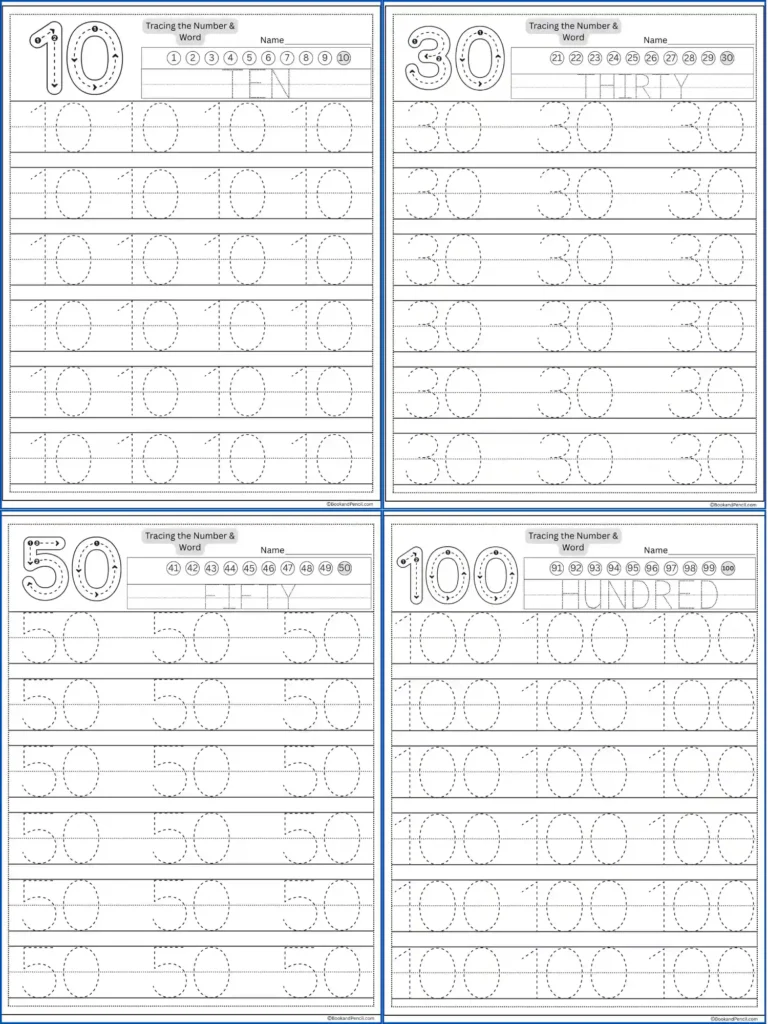

Struggling to Find a Fun Activity That Keeps Kids Engaged?
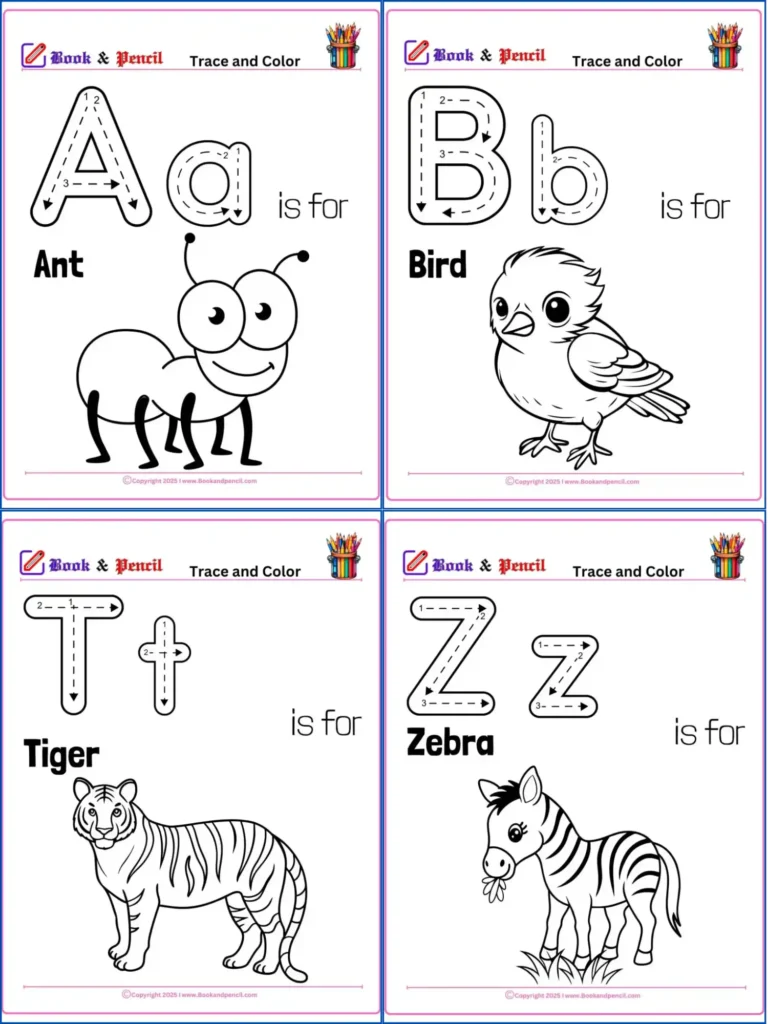
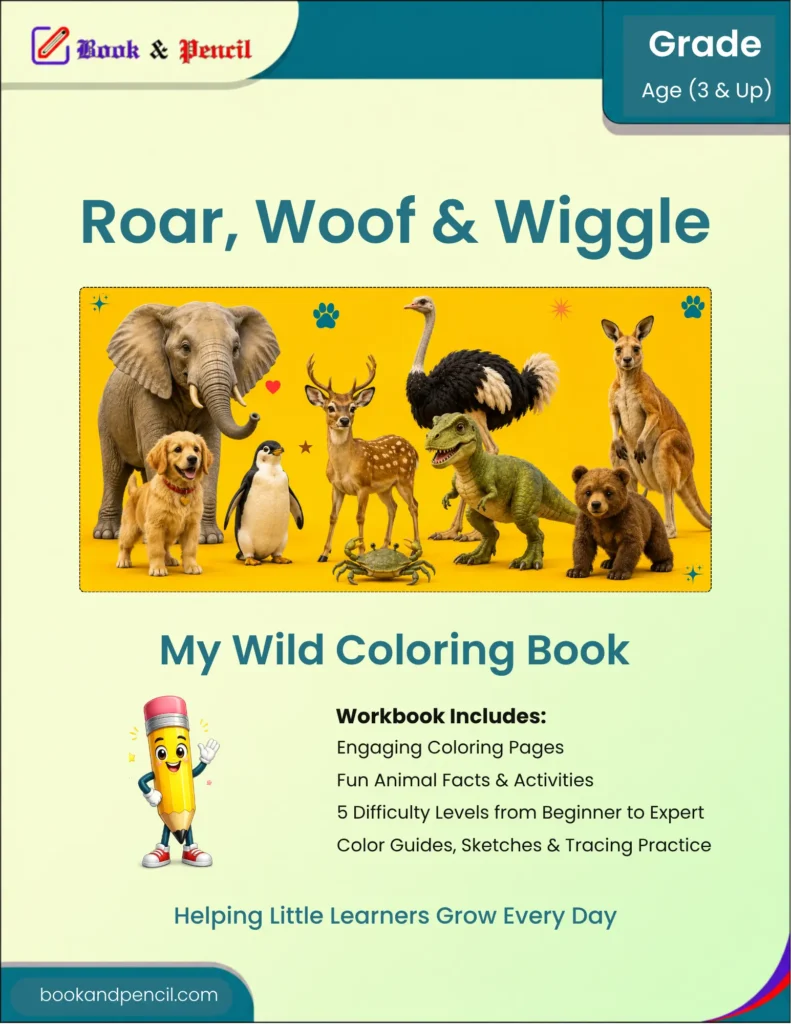
Give little artists something they can actually enjoy creating with our free animal coloring workbook, designed with fun illustrations, coloring practice, tracing, and different difficulty levels.
Includes:
✓ Easy-to-Print PDF
✓ Fun Animal Coloring Pages
✓ Perfect for Preschool & Kindergarten
Get This Month's Free Workbook
100% FREE • No payment required